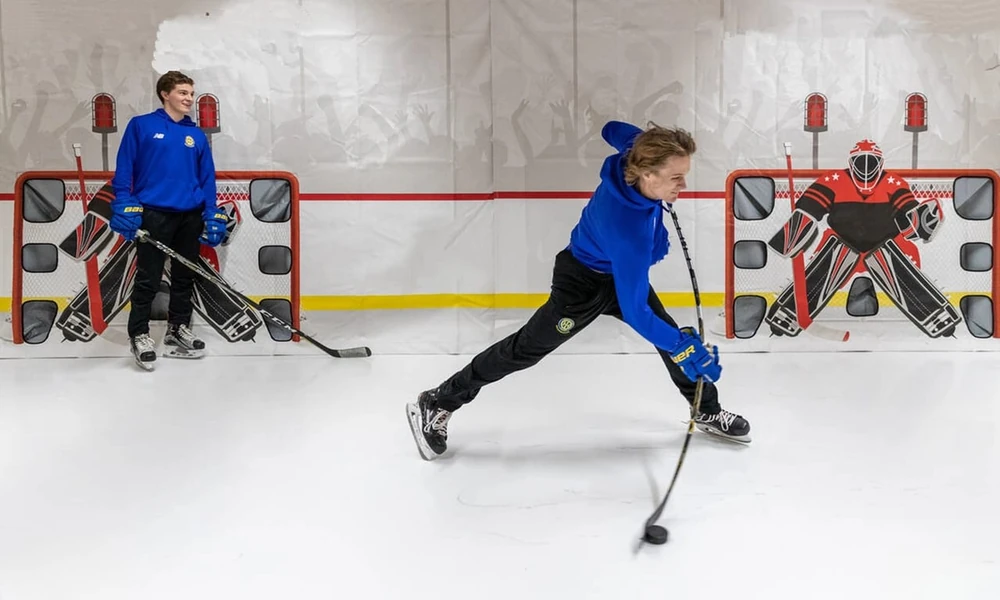
No young hockey player ever improved by sitting on the sidelines, but in a sport where ice time is precious and rinks are weather-dependent, how do kids truly get ahead? Modern synthetic ice rinks, now available at facilities like West-End Cavendish Athletic Club in Montreal, have quietly become the secret weapon for year-round skill development.
What Are Synthetic Ice Rinks and How Do They Work?
At first glance, synthetic ice appears much like the real thing, smooth, hard, and ready for a puck drop. The key difference lies in the material: interlocking panels of special polymer engineered to allow standard hockey skates to glide with low friction. As skate blades move, the surface releases a thin lubricating film, mimicking the feel of natural ice. This technology means players are no longer at the mercy of outdoor temperatures or costly refrigeration systems.
The Technology Behind Synthetic Ice
Unlike frozen water, synthetic ice rinks require minimal maintenance. A regular sweep and occasional cleaning keep the surface game-ready. The panels are durable enough for thousands of hours of skating, shooting, and stickhandling, making them ideal for high-traffic training centers.
Advantages Over Traditional Ice Rinks
While nothing replaces the magic of a winter pond, synthetic ice unlocks year-round, all-weather training. The surface is slightly more resistant than natural ice, demanding just enough extra effort to build strength and refine technique, a hidden bonus for developing athletes.
Why Train Year-Round on Synthetic Ice?
Hockey season may end, but skill never sleeps. Traditional rinks often close for spring and summer, leaving young athletes with few options. Synthetic ice fills this gap, offering the opportunity to train regardless of the calendar or forecast.
Overcoming Seasonal and Weather Limitations
Montreal winters are long, but even here, ice time can be scarce due to crowded public rinks and fluctuating weather. Synthetic ice sidesteps all these obstacles, providing a reliable surface for practice any day of the year.
Consistency in Skill Development
Interruptions in training slow progress. By ensuring regular access to ice-like conditions, synthetic rinks support steady improvement, helping kids maintain and build upon their skills even when their teams are off-season.
Which Hockey Skills Benefit Most from Synthetic Ice Training?
Some hockey skills demand hours of repetition to master. Synthetic ice is well-suited for this purpose, allowing focused practice in a controlled environment.
Stickhandling and Puck Control
The extra resistance of synthetic ice challenges players to work their wrists and fingers harder. Over time, this leads to quicker hands and superior control, traits that transfer seamlessly when they return to natural ice.
Shooting Accuracy and Technique
With no need to fight for net time, players can hone their shot mechanics, work on quick releases, and experiment with new techniques. The instant feedback from hundreds of extra reps makes a lasting impact.
Passing and Coordination
Passing drills on synthetic ice require precise timing and careful puck control. Practicing these moves away from game pressure allows mistakes, learning, and gradual mastery.
Skating Fundamentals and Balance
While edge work feels slightly different, the minor drag of synthetic ice forces players to stay low, use proper posture, and develop core strength, key elements for stability and agility.
How Does Extra Practice on Synthetic Ice Improve Young Players?
Skill is built through repetition, but confidence is built through mastery. Synthetic ice supports both.
Increased Repetition and Muscle Memory
Kids get more touches on the puck, more shots at the net, and more chances to fine-tune footwork. These repetitions engrain movements until they become second nature, a crucial step between practice and game-day performance.
Building Confidence Through Skill Mastery
The thrill of seeing improvement firsthand is a powerful motivator. Extra sessions empower players to try new moves and conquer challenges, boosting their belief in their abilities.
Reducing Game-Day Pressure
When skills are automatic, anxiety fades. A player who has practiced under controlled conditions is more likely to perform under the spotlight.
What Makes Synthetic Ice Training Different from Regular Team Practices?
Team practices often focus on systems and group drills, limiting opportunities for targeted skill work. Synthetic ice training flips the script.
Personalized Skill Focus
Sessions can be tailored to a player’s unique needs, whether that’s improving backhand shots or refining stickhandling under pressure.
Flexible Training Pace and Drill Complexity
Without the constraints of a team schedule, players can repeat drills as needed, add complexity gradually, and recover at their own pace.
Opportunities for Experimentation and Error
Mistakes are welcome here. Young athletes can push their boundaries and develop creativity, which is harder to do during regimented team practices.
How Can Parents and Coaches Maximize Synthetic Ice Training?
The best results come when extra training is purposeful and integrated with regular team activity.
– Set Clear Skill Goals: Identify which abilities need work before each session.
– Blend Sessions with Team Practice: Reinforce lessons learned in group environments.
– Monitor Progress: Track improvements and adjust drills for ongoing challenge and engagement.
Why Choose West-End Cavendish Athletic Club for Synthetic Ice Training?
Montreal’s West-End Cavendish Athletic Club stands out for its commitment to young athlete development. The facility’s simulated rink is accessible, well-maintained, and open to players of all levels. Programs cater to both beginners and competitive kids, with options for individual, small group, or drop-in training.
Families searching for the best resources in the city often find themselves drawn to West-End Gym indoor hockey training, where advanced facilities and experienced staff help players realize their potential in a supportive setting.
What Should Young Hockey Players Expect During Their Training Sessions?
A typical session includes dynamic warm-ups, focused skill drills, shooting practice, and cool-downs, all under the watchful eye of knowledgeable coaches. Safety is emphasized, and sessions are designed to keep kids motivated and having fun. The ultimate goal is not only better hockey skills, but a lifelong love of the game.
Year-round access to synthetic ice is changing the game for young hockey players, one skill, one practice, and one confident stride at a time.