Finding a dentist for your whole family can feel more complicated than it should. You are not just looking for someone to clean teeth. You are looking for a place where your child is not afraid, where your own concerns are taken seriously, and where your older parent is not treated like an afterthought. A trusted Hybla Valley, VA dentist can make that kind of complete, compassionate care feel much easier to find. When care feels rushed or pieced together, you notice it fast. Appointments turn into repeat visits, small issues get missed, and nobody leaves feeling fully looked after.
The difference usually comes down to how the practice sees your needs. A strong family dentist does more than fill cavities and schedule six month checkups. They connect prevention, treatment, education, and long term planning, so each person in your home gets care that fits their age, health, and daily habits. That is what people often mean when they talk about complete family dental care, even if they do not use those exact words.
A family dentist looks at the whole picture, not just the tooth in front of them
Many dental visits focus on the problem of the day. A sore molar gets checked. A chipped tooth gets repaired. That matters, but it is not enough if the bigger pattern is missed. A dentist who offers broader care pays attention to gum health, bite changes, past dental work, dry mouth, grinding, diet, and medical conditions that affect the mouth.
This matters because oral health does not sit in a separate box. The National Institute of Dental and Craniofacial Research points out in its Oral Health in America report that oral disease affects people across the lifespan and is tied to quality of life, pain, function, and access to care. If a practice only reacts when something hurts, you may keep paying for treatment without getting ahead of the problem.
You can usually spot this sign during routine exams. The dentist explains what they see, shows you areas to watch, and connects those findings to your habits and health history. Nothing feels random. Care has a plan.
Preventive care is built into every visit for children and adults
A practice that treats your family well does not reserve prevention for a quick reminder to floss. Prevention is active. It includes cleanings, exams, fluoride when appropriate, sealants for kids, home care coaching, and guidance that changes as your family grows.
Children need different support than adults. A toddler learning brushing habits, a teen with braces, and a parent dealing with bleeding gums are not dealing with the same risks. The CDC shares separate oral health tips for children and oral health tips for adults for a reason. Good family dental care reflects those differences instead of giving everyone the same generic advice.
If your dentist takes time to teach, not just treat, that is a strong sign. You should leave knowing what to do next at home and why it matters. That kind of guidance saves money and stress later.
Care feels coordinated when needs change over time
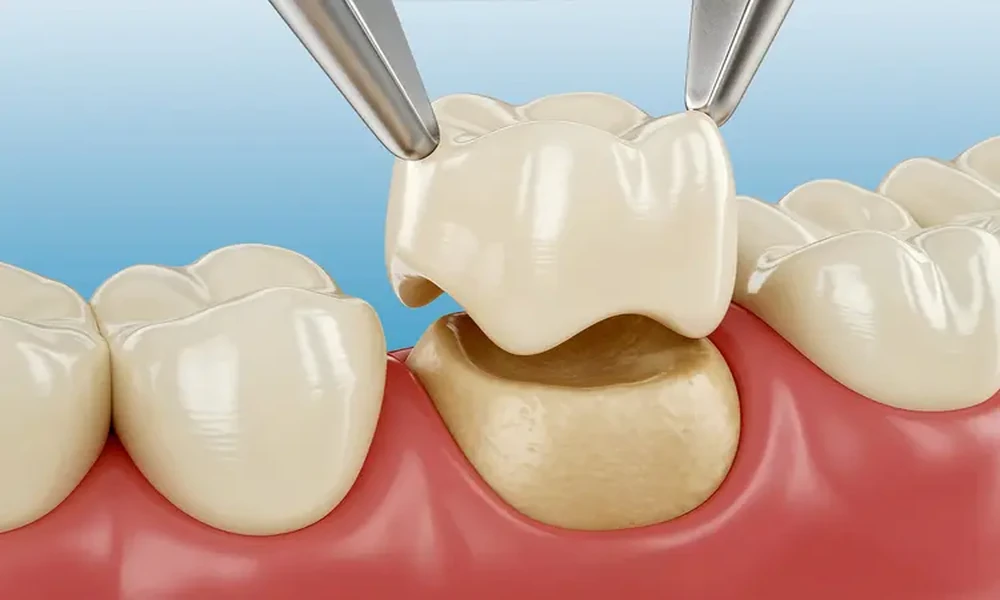
Families rarely need one service forever. Needs change fast. A child may need sealants. A college student may need wisdom tooth monitoring. An adult may need a crown. An older relative may need help with dry mouth, gum recession, or replacing missing teeth.
This is where a practice shows whether it offers broad support or just a list of separate procedures. A dentist who provides coordinated care tracks those changes and adjusts the plan without making you start from zero each time. Records are easy to follow. Referrals, if needed, are thoughtful and timely. Follow up does not fall through the cracks.
When that coordination is missing, you feel it. You repeat your history at every visit. One provider says one thing, another says something else, and nobody seems responsible for the full picture. That is exhausting, especially when you are juggling school schedules, work, insurance, and the needs of more than one person.
Communication is clear, respectful, and consistent
One of the clearest signs of full service dental care for families is simple. You understand what is happening. Costs are discussed before treatment. Options are explained in plain language. Your concerns are not brushed aside because the issue looks minor on an X ray.
This matters more than people admit. Dental anxiety is common, and it does not only affect children. Adults often delay visits because they expect judgment, pain, or a bill they did not see coming. A dentist who listens closely and explains care clearly lowers that pressure. That trust makes it easier to keep up with visits and catch problems early.
| Sign to Look For | What It Looks Like in Practice | What Happens If It Is Missing |
|---|---|---|
| Whole person evaluation | Exam includes gums, bite, history, habits, and risk factors | Repeat problems, missed causes, patchwork treatment |
| Age specific prevention | Different guidance for kids, teens, adults, and older patients | Generic advice that does not fit real needs |
| Coordinated long term planning | Treatment evolves as family needs change | Confusion, delays, and extra costs |
| Clear communication | Options, timelines, and fees are explained plainly | Stress, avoidance, and surprise bills |
Small steps make it easier to choose the right dental care provider
Ask how the practice handles different life stages. A solid provider should be able to explain how they care for young children, adults, and older patients without giving a vague answer. You are listening for specifics, not polished marketing lines.
Pay attention to the exam, not just the treatment. During a first visit, notice whether the dentist asks about health conditions, medications, clenching, sleep habits, and past dental experiences. A quick glance and a cleaning do not tell you much. A thoughtful exam does.
Look for education you can actually use at home. The best family dental care helps you prevent the next problem. That means practical brushing and flossing tips, product suggestions when needed, and advice that fits your child’s age or your own health concerns.
You do not need a perfect dental office. You need one that sees your family clearly, plans ahead, and treats prevention like part of the job, not an extra. When a dentist offers that level of care, visits feel less scattered and your decisions feel a lot easier. If you are comparing providers, use these signs as your filter and choose a practice that supports your family for the long run.