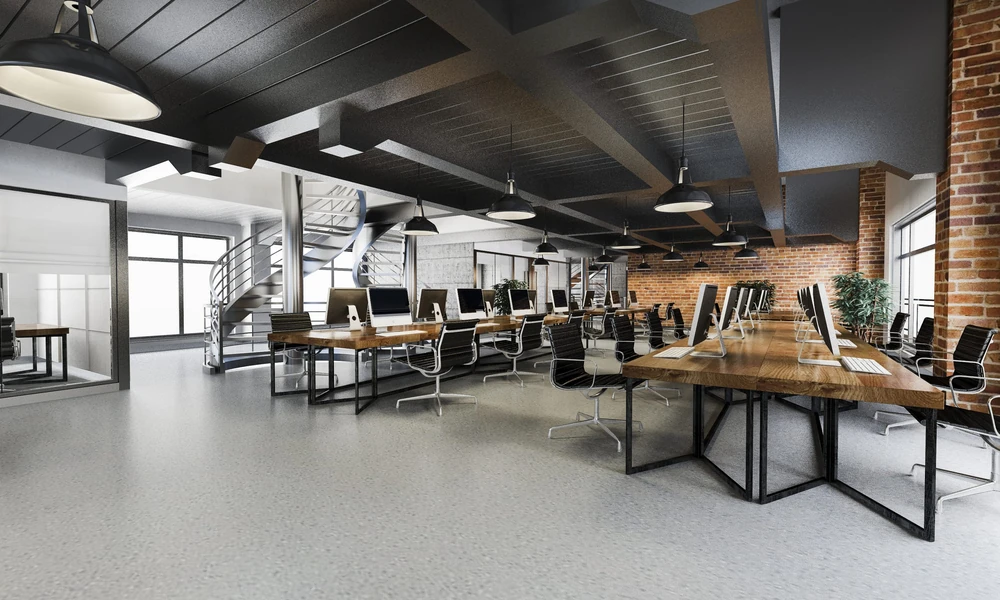
Modern office buildings have become much more than just containers for desks and conference rooms. Today, the best offices are carefully choreographed spaces where the needs of productivity, comfort, and brand identity come together. The dance between functionality and aesthetics is no longer optional. For organizations, it is the difference between a workplace that hums with energy and one that stalls under the pressure of cramped layouts or uninspired design.
The Intersection of Functionality and Aesthetics in Office Design
Every office building starts with a simple question: what do people need to get their best work done? Functional requirements go far beyond basic shelter. Efficient layouts, proper ventilation, safety features, and seamless technology integration form the backbone of any successful workplace. However, the quest for optimal function can sometimes result in sterile, boxy environments where creativity takes a backseat.
That is where aesthetics come in. Thoughtful design choices, soaring atriums, abundant natural light, tactile materials, and curated art, turn a collection of rooms into a setting that inspires, calms, and energizes. The look, feel, and ambiance of the office have a direct impact on how employees experience their day. When function and aesthetics are aligned, the result is a workplace that motivates and retains top talent.
For any organization, balancing utility with visual impact is more than a design challenge. It has tangible effects on productivity, recruitment, and well-being. A poorly planned space can lead to workflow bottlenecks, discomfort, and even safety hazards. On the other hand, an overly decorative space that ignores user needs quickly becomes frustrating and inefficient.
Key Functional Elements in Contemporary Office Architecture
Designing offices for today’s workforce means getting the essentials right. Open, flexible floorplans optimize workflow and provide the agility teams need for collaboration or focused work. Sustainable design is no longer optional; energy-efficient HVAC systems, green building materials, and features like rooftop gardens help meet environmental standards while lowering operational costs. Smart building technology is now woven into the fabric of the modern office, with automated lighting, climate control, and security systems adapting to users’ needs in real time.
Safety, accessibility, and compliance can never be an afterthought. Building codes require accessible entrances, fire safety systems, and barrier-free washrooms, features that speak to both function and inclusivity.
Aesthetic Principles Shaping Modern Office Environments
A building’s exterior and interior speak volumes about a company’s brand and values. The architectural language, whether it is sleek and minimalist or bold and expressive, sets the tone for everyone who enters. Offices today use materials that invite touch and visual interest: exposed concrete, warm wood, glass, and metal. Color palettes are selected to evoke calm, energy, or creativity depending on the desired effect.
Natural light has become a prized element, maximizing both well-being and energy conservation. Biophilic design goes a step further by integrating living walls, indoor gardens, and even water features, connecting occupants with nature no matter the season. Art installations and bespoke interior design elements bridge the gap between visual delight and functional use, offering moments of inspiration in everyday routines.
Strategies to Harmonize Function and Aesthetics
Truly great office buildings are born from collaboration. Architects, clients, and end users come together to define needs and stretch the boundaries of what a workspace can be. Flexible spaces that adapt to changing team sizes or uses ensure the building remains relevant for years. Adaptive furniture, movable walls, and modular layouts make transformation easy.
Both Montreal and Toronto have become hotspots for this brand of innovative office design. Local projects often serve as case studies, showing how balance can be achieved in very different environments. Especially in cities with distinct architectural heritages and climates, firms like Stendel + Reich architect have demonstrated how thoughtful design can resolve the tension between practicality and beauty.
Common challenges persist: cost constraints, zoning laws, and rapidly evolving technology can make integration tricky. The best solutions come from anticipating change and building flexibility into the DNA of the office.
The Future of Office Building Design: Trends and Innovations
Emerging technologies are set to further blur the line between function and form. Touchless controls, AI-powered space management, and immersive virtual meeting tools are already reshaping how people interact with their workplaces. The pandemic accelerated the shift to hybrid work, with many offices now designed to support seamless transitions between remote and in-person collaboration.
Health and wellness are center stage. Air quality monitoring, wellness rooms, and outdoor workspaces are here to stay. Looking ahead, office design will be a dynamic field, where adaptability, sustainability, and beauty compete and combine in ever more sophisticated ways.
As companies rethink their footprints and priorities, one thing is clear: the offices of the future will not just be places to work, but environments that actively support the people inside them. The quest to balance function and aesthetics will continue to fuel innovation in every corner of the built environment.