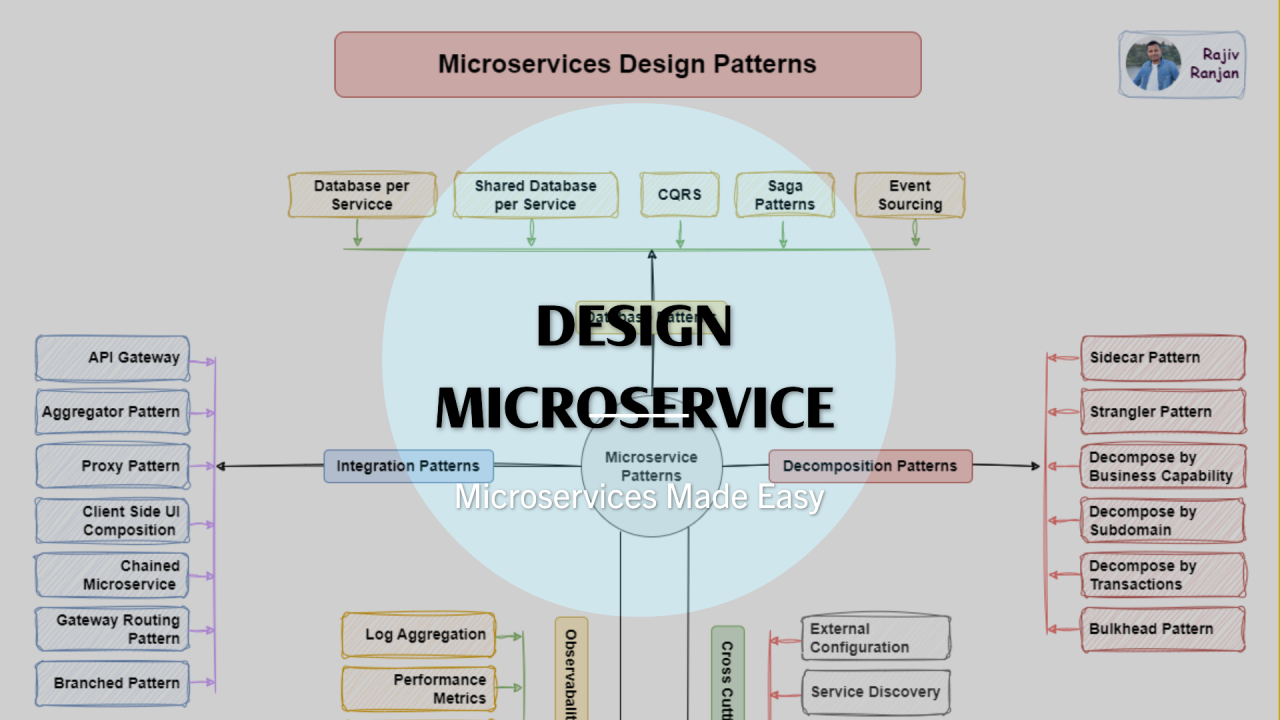
Database design patterns are proven, reusable solutions to common problems that arise when structuring and interacting with databases. Think of them as blueprints. You do not have to invent how to handle data relationships or query logic from scratch every time you build something.
The most widely used patterns today are the Repository Pattern, Active Record, Data Mapper, CQRS (Command Query Responsibility Segregation), and the Singleton Connection pattern. Each solves a different problem, and knowing when to reach for which one is what separates good software from brittle software.
Why Design Patterns Matter in Databases
Skipping patterns does not make your code simpler – it just moves the complexity into unpredictable places. Teams that ignore design patterns often end up with:
- Business logic scattered across SQL queries and application code.
- Databases that are impossible to test without a live connection.
- Systems that break when the underlying database engine changes.
- Duplicate query logic spread across dozens of files.
Patterns solve all of these problems with structure that developers already understand.
The Core Database Design Patterns
| Pattern | What It Does | Best For | Trade-off |
|---|---|---|---|
| Repository | Abstracts data access behind an interface | Testable, layered apps | Extra abstraction layer |
| Active Record | Object maps directly to a DB row | Simple CRUD apps | Tight coupling to DB |
| Data Mapper | Separates domain objects from DB schema | Complex domain logic | More boilerplate |
| CQRS | Splits read and write operations | High-scale, event systems | Increased complexity |
| Unit of Work | Tracks changes and commits in one transaction | Multi-step operations | Harder to implement |
| Singleton Connection | One shared DB connection instance | Avoiding connection leaks | Thread-safety risks |
Pattern Deep Dives
1. The Repository Pattern
The Repository Pattern wraps all your database queries behind a clean interface. Your application code calls methods like getUserById() or saveOrder() without knowing whether that data comes from PostgreSQL, MongoDB, or a mock object in a test.
This is the go-to pattern for any application you plan to unit test. Swap the real repository for a fake one in tests and your business logic runs without ever touching a database.
2. Active Record
Made famous by Ruby on Rails, Active Record maps each database table to a class, and each row to an instance of that class. The object itself knows how to save, update, and delete itself.
It is fast to build with and perfect for straightforward CRUD applications. The downside is that your domain objects become tightly coupled to your database schema – change one, and you often have to change the other.
3. Data Mapper
Data Mapper keeps your domain objects completely ignorant of the database. A separate mapper class handles the translation between the two. This means your User object does not know it is stored in a users table – it just holds user data and logic.
Used heavily in enterprise applications with complex domain rules. Frameworks like Doctrine (PHP) and Hibernate (Java) are built on this pattern.
4. CQRS – Command Query Responsibility Segregation
CQRS splits your data operations into two distinct sides: commands (writes) and queries (reads). This allows you to optimize each side independently. Your read model can be a denormalized, fast-query view while your write model handles strict business rules.
This pattern shines in high-traffic applications and event-driven systems but is overkill for simple CRUD apps. Pair it with Event Sourcing for the full power of audit trails and replay capability.
Choosing the Right Pattern: A Decision Guide
| Your Situation | Recommended Pattern | Why |
|---|---|---|
| Small app, quick delivery | Active Record | Fast to build, less abstraction |
| Need unit testing without DB | Repository Pattern | Mock-friendly interfaces |
| Complex business rules | Data Mapper | Domain stays clean and isolated |
| High read/write scale | CQRS | Optimize each side independently |
| Multi-step transactions | Unit of Work | Atomic commits, rollback support |
Common Mistakes to Avoid
- Using Active Record in large-scale apps where domain complexity demands Data Mapper.
- Implementing CQRS prematurely – it adds real overhead for simple applications.
- Creating a Repository that just wraps an ORM with no real abstraction value.
- Ignoring connection pooling, which leads to performance bottlenecks under load.
- Mixing patterns inconsistently across the same codebase, creating confusion for future developers.
Where to Start
If you are building something new and are not sure which pattern to pick, start with the Repository Pattern. It provides testability, flexibility, and a clean separation that scales well as your application grows. Active Record is fine for prototypes. CQRS and Data Mapper are investments that pay off later when complexity demands them.
The goal of any database design pattern is not to follow a rule for its own sake but to keep your data layer predictable, testable, and easy to change. That is the whole game.